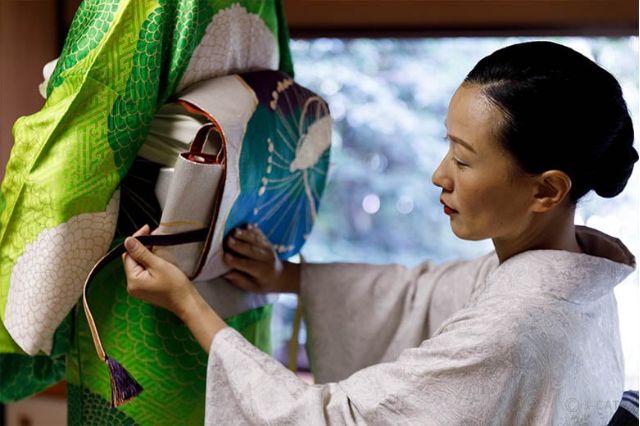
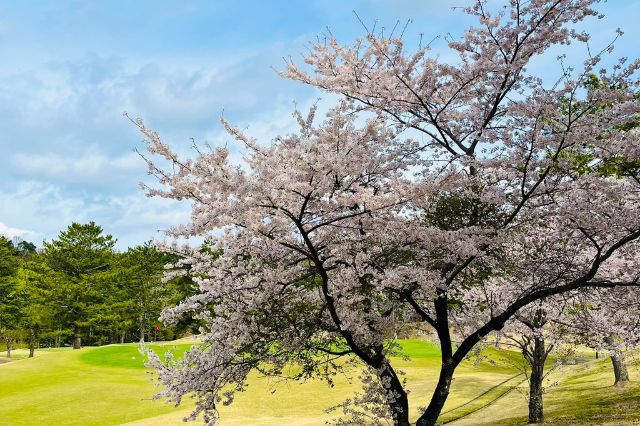
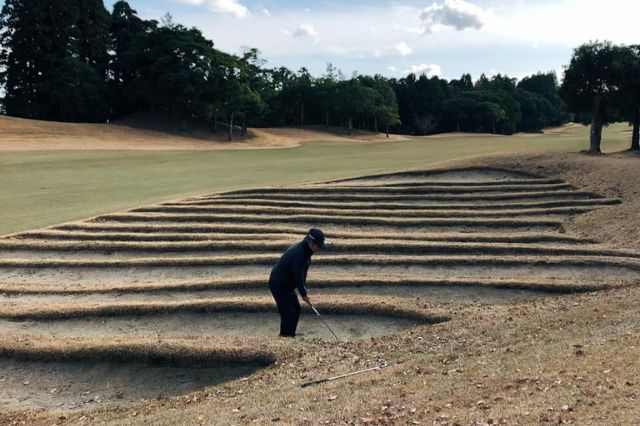
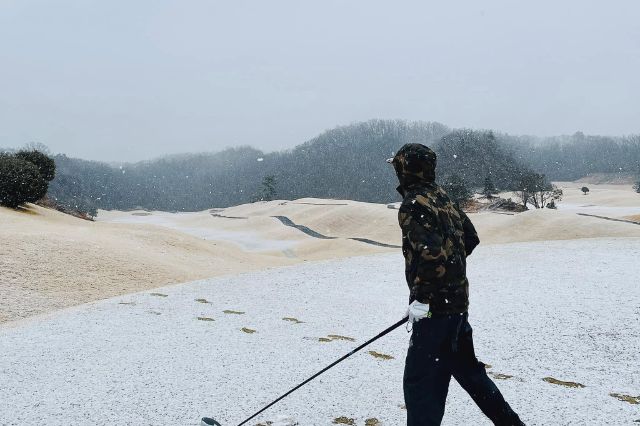
Golf in Japan has traditionally been associated with business and hospitality, where it has long played an important role in high-level business relationships and exclusive social networking. Many clubs operated on a membership basis and required substantial annual membership fees, which meant courses were expected to stand out. Over time, this led to beautifully designed layouts, carefully maintained landscapes, and a strong focus on service.

Today, many golf courses in Japan are set in scenic natural environments where mountains, forests, and open views become part of the experience. Playing golf in Japan often feels peaceful and visually striking. If you’re considering including golf in your trip, here’s what overseas visitors should know before booking.
This page contains affiliate links. If you make a booking through them, we may earn a small commission at no additional cost to you. Your support helps us continue sharing thoughtful Japan content.
Why Golf in Japan Feels Different
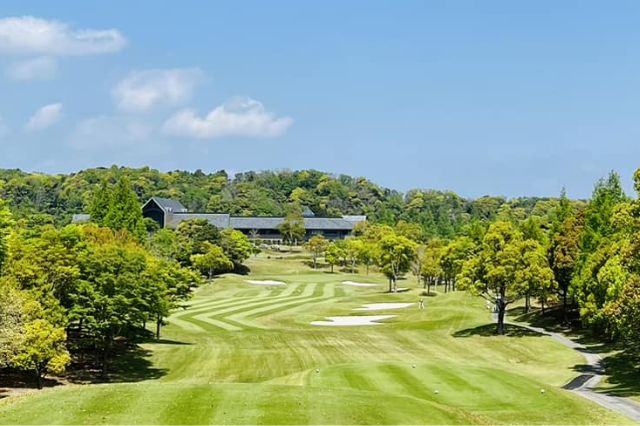
Golf in Japan is often experienced as more than just a sport. For many players, it feels closer to a full-day outing shaped by tradition, service, and attention to detail.
The day typically follows a structured flow, beginning with arrival at the clubhouse, changing in locker rooms, and preparing carefully before heading to the first tee. Facilities are usually well organised, and many courses place strong emphasis on hospitality, presentation, and overall atmosphere.
Another noticeable aspect is the calmness of many courses. While Japan’s major cities can feel crowded and fast-paced, golf courses are often located in quieter areas surrounded by nature. Mountains, forests, and open landscapes frequently become part of the experience, giving the round a sense of space that contrasts with urban travel.
Visitors may also notice that the pace of the day can feel more deliberate. At many courses, it is still common to pause after the first nine holes for a meal break before continuing. This tradition reflects the idea of golf as something to be enjoyed over time rather than rushed.
Because of these elements, playing golf in Japan often feels not only like a round of golf, but like stepping into a carefully arranged environment where scenery, service, and structure all play a role.
Golf Through the Seasons in Japan
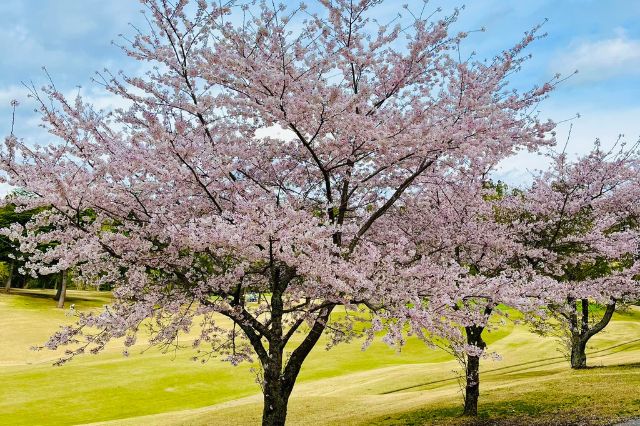
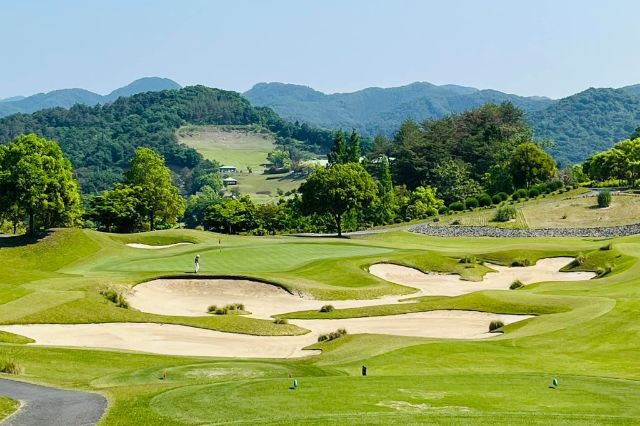
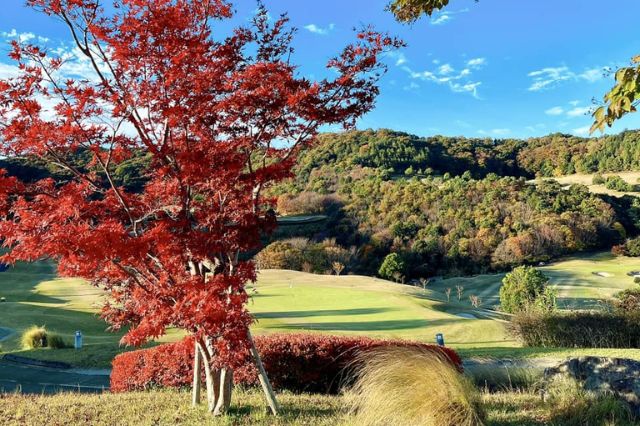
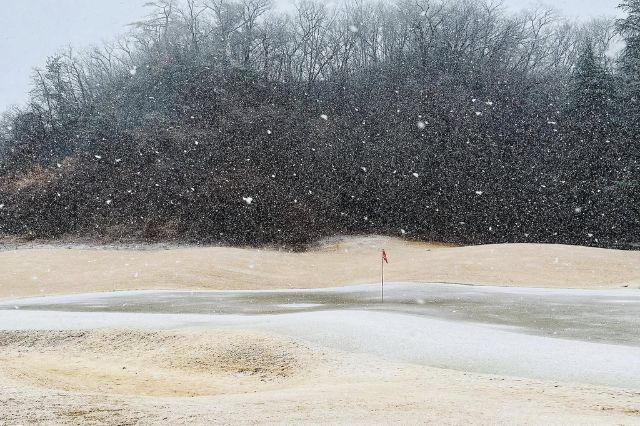
Another aspect that surprises many overseas visitors is how relaxed and social a round of golf can feel in Japan.
Golf carts are standard at most courses, and in many cases they run along designated paths or even on automated systems that guide them through the course. This makes it easier to enjoy the surroundings without the physical strain of walking long distances.
It’s also quite common for players to enjoy drinks during the round. Ordering a beer at the halfway break or even carrying one in the cart is normal at many courses, especially on weekends or casual rounds. Rather than feeling rushed, the pace of play often allows time to relax, enjoy the scenery, and treat the day as more than just a game.
For many visitors, this balance of sport, nature, and social atmosphere is part of what makes golfing in Japan feel different from playing elsewhere.
Golf Carts, Drinks, and the Relaxed Side of Golf in Japan
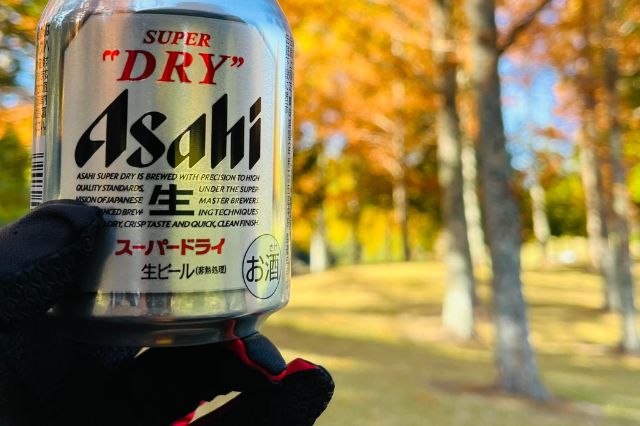
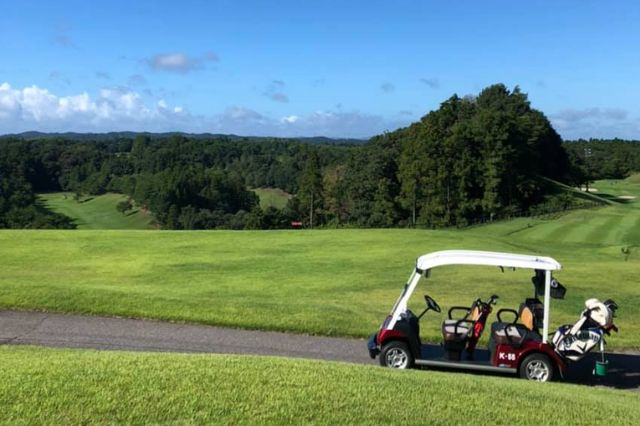
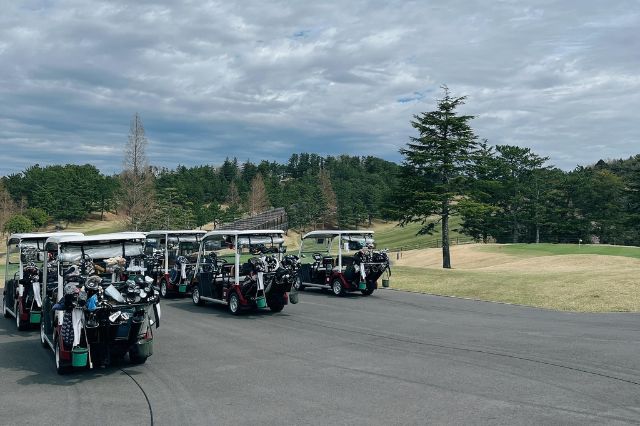
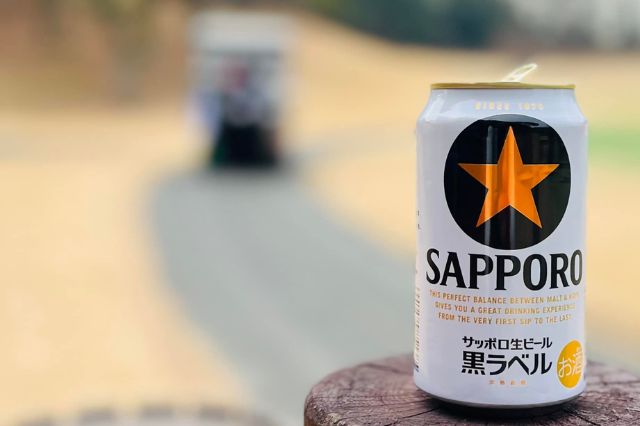
One detail that often surprises overseas visitors is how relaxed and social a round of golf can feel in Japan.
Golf carts are standard at most courses, and many operate on designated paths or automated track systems that guide them smoothly through the course. This makes moving between holes easy and allows players to focus on the scenery as much as the game.
It’s also common to enjoy drinks during the round. Having a beer in the cart, ordering drinks at the halfway break, or relaxing after the front nine is completely normal at many courses. For local players, a golf day is not only about performance but also about spending time outdoors and enjoying the atmosphere.
This mix of well-maintained courses, comfortable facilities, and a relaxed social feel is part of what makes playing golf in Japan such a distinctive experience for visitors.
Dining at Japanese Golf Courses
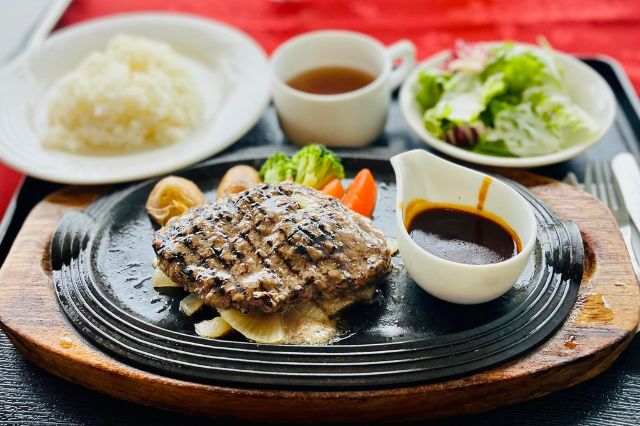
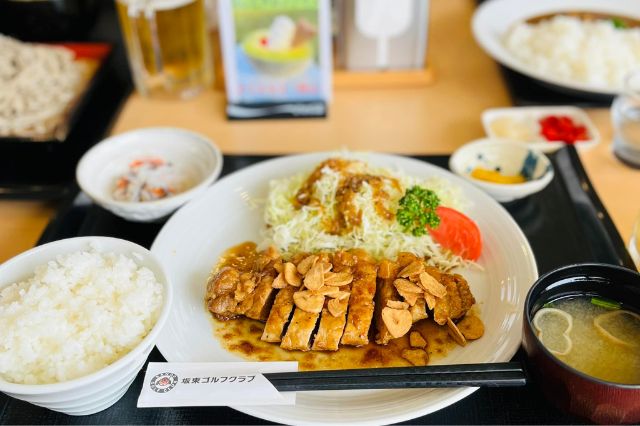
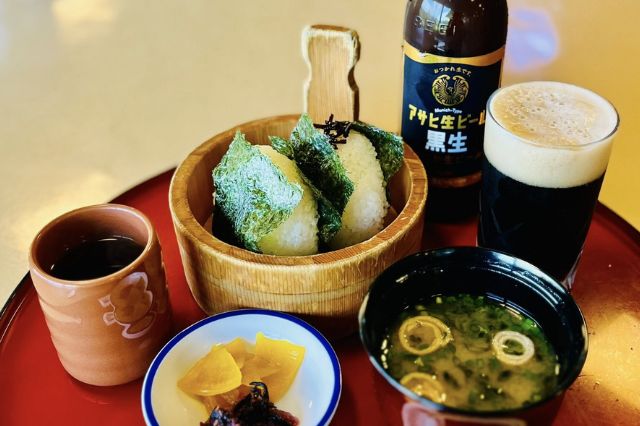
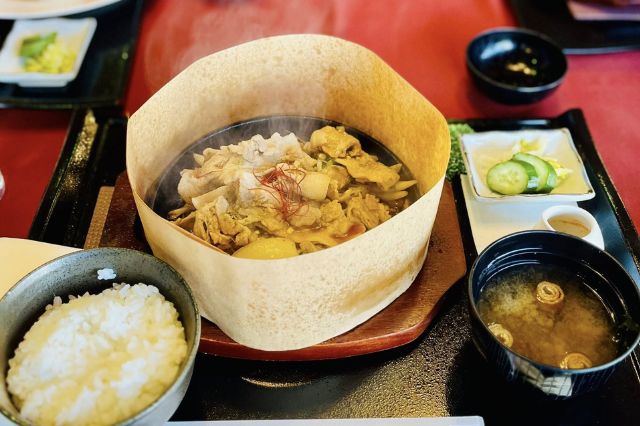
One of the most enjoyable and often surprising parts of playing golf in Japan is the food.
Unlike many courses overseas where meals are optional or fairly simple, dining is often considered part of the overall golf experience in Japan. Many golfers take a lunch break halfway through their round, returning to the clubhouse to enjoy a proper sit-down meal before continuing to the back nine.
Clubhouse restaurants typically offer a wide range of dishes, from Japanese favourites such as curry rice, soba noodles, tempura, and grilled fish, to Western options like steak, pasta, or sandwiches. Seasonal menus are also common, and presentation is usually thoughtful and carefully prepared.
For many players, the meal is not just a quick stop but part of the rhythm of the day, adding to the relaxed and social atmosphere that makes golf in Japan feel different from elsewhere.
Inside Japanese Golf Club Facilities
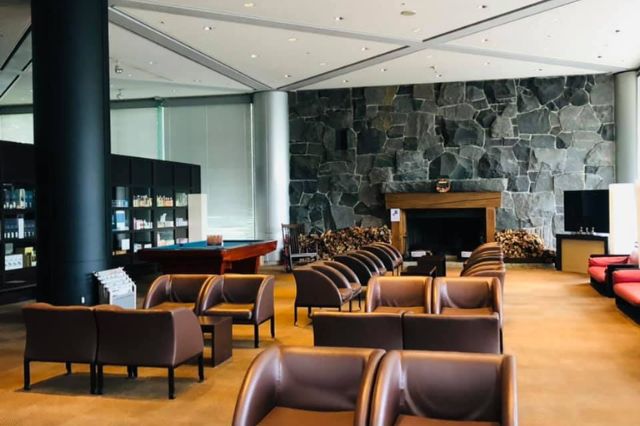
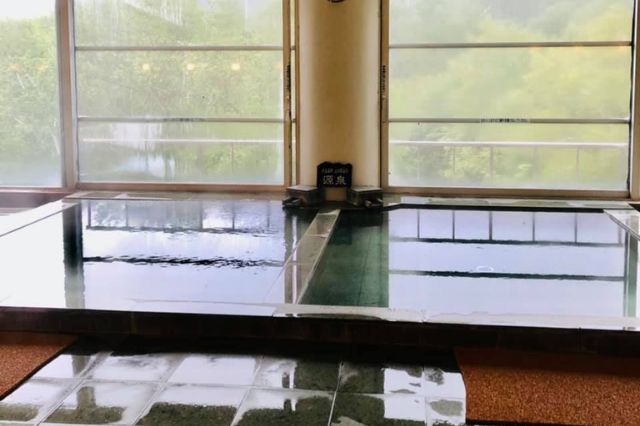
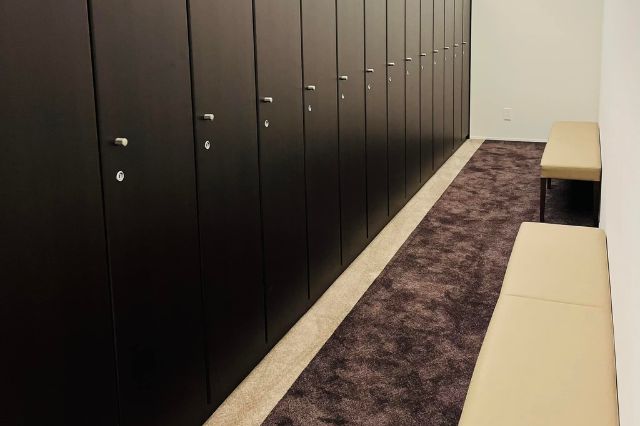
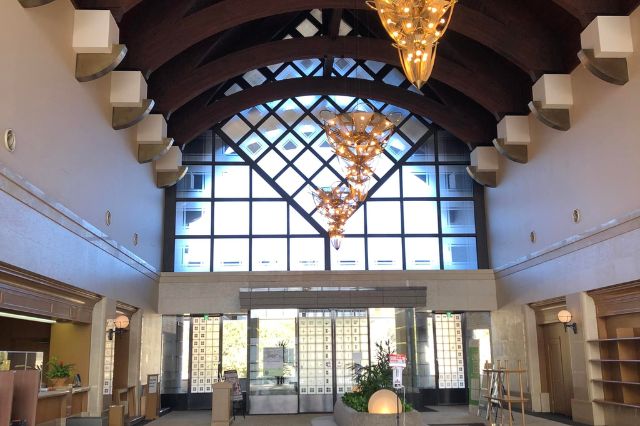
Clubhouses, Locker Rooms, and Bath Culture:
Many golf courses in Japan offer facilities that go well beyond just the course itself. Clubhouses are often spacious and well maintained, with comfortable lounges, restaurants, and large locker rooms.
A particularly distinctive feature is the bath culture found at many courses. After finishing a round, it is common for players to use the large communal baths or shower facilities before heading home. These spaces are usually clean, quiet, and designed for relaxation, making them part of the overall golf experience rather than just a practical convenience.
While not every course has full bath facilities, they are common enough that visitors may be pleasantly surprised to find them included. For many players, finishing the day with a warm bath is simply part of what makes golf in Japan feel complete.
Quiet Atmosphere and On-Course Etiquette in Japan
Another aspect that many visitors notice when playing golf in Japan is the quiet, respectful atmosphere on the course.
While golf is social, players are generally mindful of noise and timing. It is common to remain quiet while others are preparing to hit, and groups tend to move at a steady pace to keep play flowing smoothly. Staff also place strong emphasis on maintaining the course condition, so repairing divots, raking bunkers, and caring for the greens is taken seriously.
This sense of consideration extends beyond the course itself. Inside the clubhouse, locker rooms, restaurants, and bath areas, players are also expected to be respectful of shared spaces and follow local etiquette.
At the same time, the atmosphere is not strict in a stressful way. Instead, it often feels calm, orderly, and considerate, which many visitors find refreshing compared with busier or more rushed golf environments elsewhere.
This balance of relaxation and respect is one of the reasons golf in Japan feels so distinctive.
Getting to Golf Courses in Japan: Access, Transport Options, and Travel Tips
While many courses are set in scenic rural or mountain areas, they are often within reasonable distance of major cities. Around Tokyo, Osaka, and Nagoya, it is common to reach a course in about one to one and a half hours.
In practice, many players travel by car, and renting a car is often the easiest and most flexible option, especially for visitors unfamiliar with the area.
However, access by public transport is still possible for some courses. A number of golf clubs provide shuttle buses from nearby train stations, and certain locations can be reached by taxi from major transport hubs.
Even when courses are located deep in natural surroundings, roads and facilities are typically well maintained, making the journey feel straightforward rather than inconvenient.
Another important point to consider is travel time on the day of play:
In Japan, traffic around major cities can be heavy at almost any time — weekdays, weekends, and holidays alike. Morning commuter traffic can be particularly intense, and congestion on expressways leading out of cities is very common.
For this reason, many golfers leave very early in the morning to avoid rush hour and make sure they arrive on time. Early departure is simply part of the golf culture in Japan, and planning extra travel time helps you start the round relaxed rather than rushed.
Make Your Trip to Japan More Memorable Beyond the Fairways
While many visitors come to Japan with golf in mind, the experience does not have to stop at the course.
Across the country, golf destinations are often surrounded by places worth exploring, from traditional towns and scenic coastlines to historic sites and seasonal landscapes. Taking a little time to look beyond the fairways can add a completely different dimension to your trip.
Japan is also known for its regional food culture and distinctive places to stay. Whether it’s a quiet countryside inn, a coastal resort, or a small town restaurant serving local specialties, these experiences often become just as memorable as the round itself.
By allowing space in your itinerary for sightseeing, good food, and a comfortable stay, your golf trip can easily turn into a more complete journey through Japan.
Enjoying Food During Your Golf Trip in Japan:
During a golf day in Japan, most players eat at the course, as lunch is usually built into the schedule. Clubhouse restaurants often serve full meals, ranging from Japanese set dishes and noodles to curry, steak, and seasonal specialties.
Beyond the course, many golf regions also offer local restaurants and regional cuisine worth exploring. Adding time to enjoy these food experiences can make your golf trip feel more relaxed and complete.
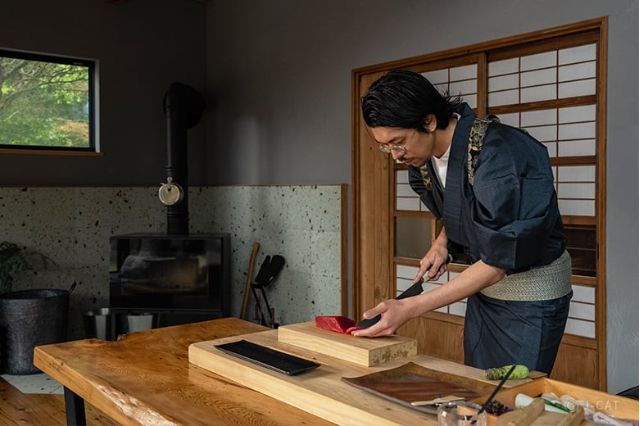
A private sushi-making experience in Hakone, learning authentic techniques from a renowned Japanese chef.
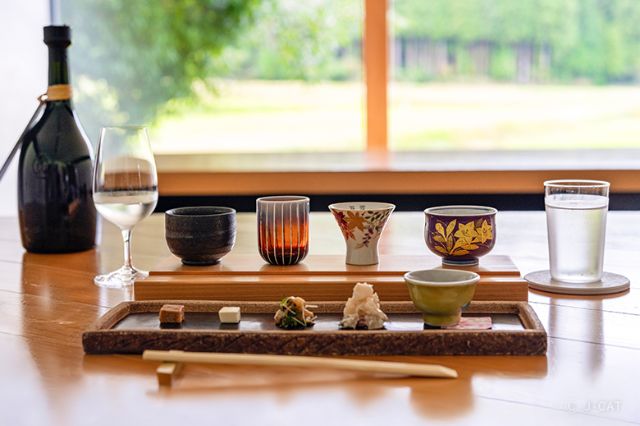
A refined Kanazawa escape featuring fine Japanese dining, sake, and a private tour led by a master brewer.
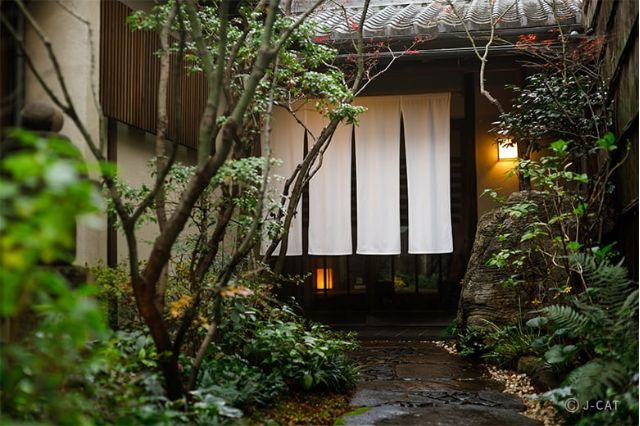
A luxurious Japanese dining experience in an elegant Kyoto ryotei, featuring Kobe beef sukiyaki and dessert in a private bar.
Staying and Exploring During Your Trip in Japan:
Because many golf courses in Japan are located in scenic areas outside major cities, staying nearby for a night or two often makes the trip more comfortable and enjoyable. It reduces early morning travel and allows you to experience the area at a more relaxed pace.
Across Japan, these regions often offer hot spring towns, coastal scenery, historic streets, and local food culture. Taking time to explore beyond your main activity can turn a short visit into a richer travel experience.
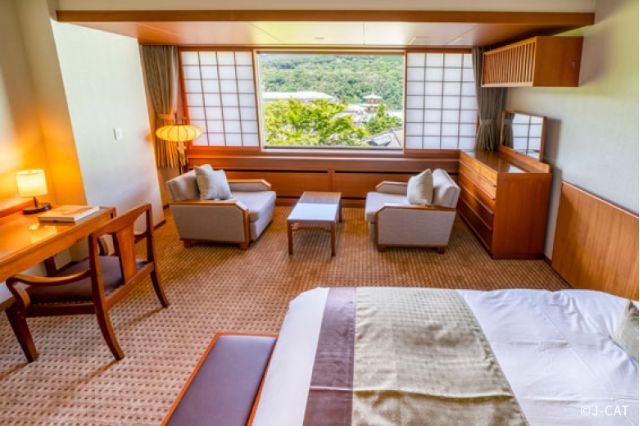
A refined Hakone escape near Tokyo, featuring private onsen and scenic Mount Fuji surroundings.
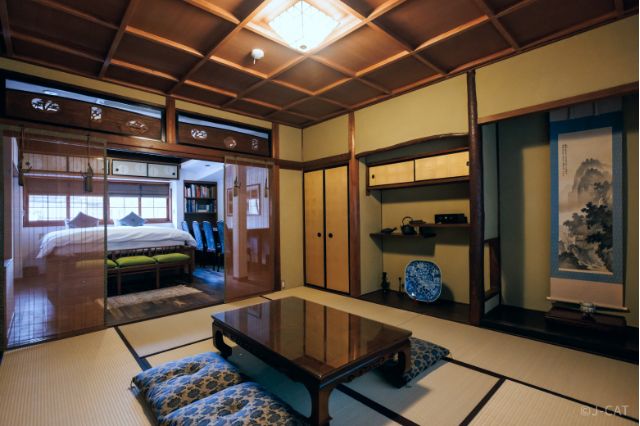
A private villa in central Kyoto, set within a beautifully restored century-old mansion near the Kyoto Imperial Palace.
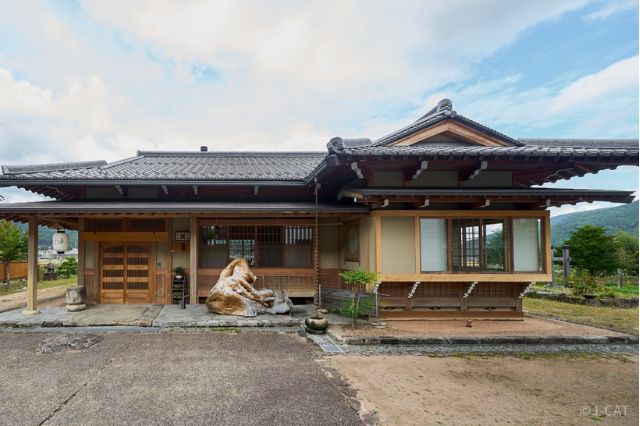
An authentic residential experience in Hida Takayama, paired with a heartfelt visit to Shirakawa-go World Heritage.
Learn beautiful Japanese arts:
Some of the most meaningful cultural experiences in Japan come from creating something with your own hands. Through hands-on traditions, you can learn directly from skilled artisans and practitioners, including ceramic making, calligraphy, traditional cooking, and other forms of Japanese art and craftsmanship.
Rather than simply watching or observing, you take part in everyday cultural traditions that are still alive in Japan today. Learning in this way offers a deeper understanding of Japanese culture and leaves you with skills, memories, and appreciation that last long after the experience ends.
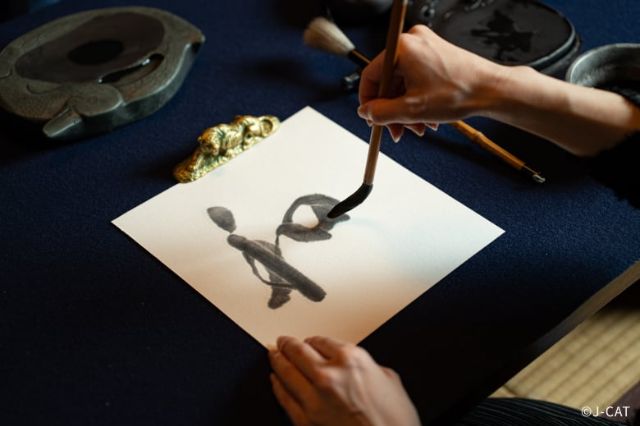
A meditative Zen calligraphy experience in Asakusa, Tokyo, guided by a master with traditional antique tools.
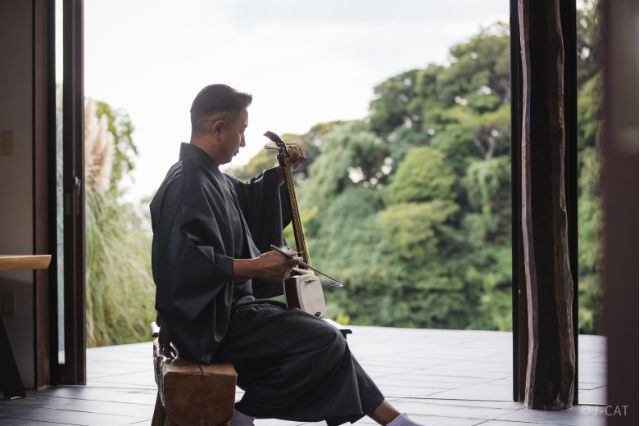
A private traditional Japanese music experience in Kamakura with live performance and hands-on flute practice.
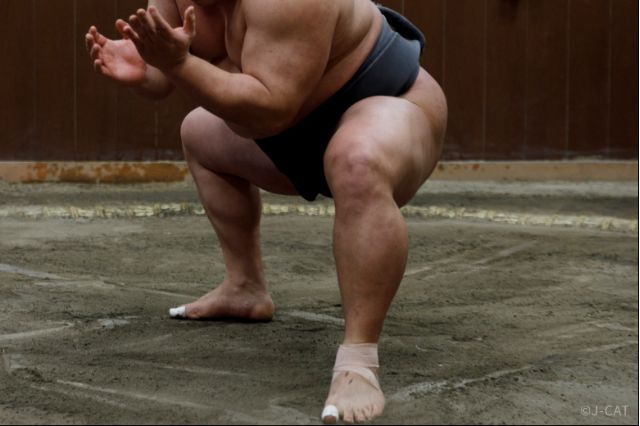
Experience authentic sumo culture in Tokyo, watching live training with expert insight and commemorative keepsake.
Experiencing Japan Beyond the Game:
For many visitors, playing golf in Japan becomes more than just a round on the course.
It often turns into part of a wider journey shaped by scenery, culture, food, and small moments of discovery along the way.
From the quiet beauty of the landscapes to the thoughtful service, seasonal atmosphere, and experiences found beyond the fairways, golf in Japan tends to leave a lasting impression that goes beyond the game itself.
Whether your trip includes a single round or several days exploring different regions, allowing time to enjoy the surroundings can make the experience far more memorable.
In Japan, golf is rarely just about golf.
It becomes part of the journey.
Final Thoughts on Playing Golf in Japan
Golf in Japan is often remembered not only for the course itself, but for everything that surrounds it — the scenery, the rhythm of the day, the food, the facilities, and the atmosphere.
From carefully maintained fairways and seasonal landscapes to relaxed clubhouse meals and quiet natural settings, a round of golf here often feels like part of a wider travel experience rather than a standalone activity.
Whether you are planning a dedicated golf trip or simply considering adding a round to your itinerary, taking the time to understand how golf works in Japan can make the experience far more enjoyable.
For many visitors, what begins as curiosity about playing golf in Japan ends up becoming one of the most memorable parts of their journey.
This page contains affiliate links. If you make a booking through them, we may earn a small commission at no additional cost to you. Your support helps us continue sharing thoughtful Japan content.

ALLJAPAN │ ALL THINGS JAPANESE
EXPERIENCE JAPAN