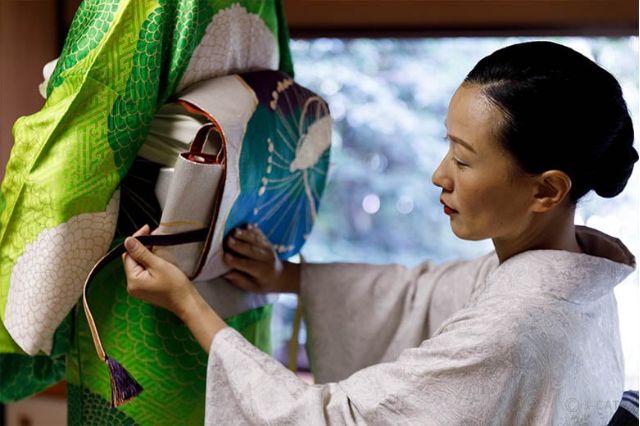
Fragrance is an integral part of Japanese culture, woven into rituals, traditions, and daily life. Known for their subtlety, elegance, and deep connection to nature, Japanese fragrances have a unique charm that distinguishes them from Western perfumes. From the traditional kōdō incense ceremonies to modern, innovative perfume brands, Japanese scents evoke a sense of peace, beauty, and tranquility.
In this blog, we will explore the world of Japanese fragrances—how they differ from traditional Western scents, the cultural importance of fragrance in Japan, and the most popular Japanese perfume brands and products you should try. If you’re looking to explore new fragrance experiences, Japanese scents offer a captivating journey for your senses.
This page contains affiliate links. If you make a booking through them, we may earn a small commission at no additional cost to you. Your support helps us continue sharing thoughtful Japan content.
The Cultural Significance of Fragrance in Japan
In Japan, fragrance is more than just a pleasant smell—it’s a way to connect with nature, spirituality, and the seasons. The Japanese are known for their deep appreciation of the natural world, and this respect for nature extends to their use of scents. Fragrance is often associated with seasonal changes and the beauty of fleeting moments, making it an integral part of daily life.
Kōdō: The Art of Incense
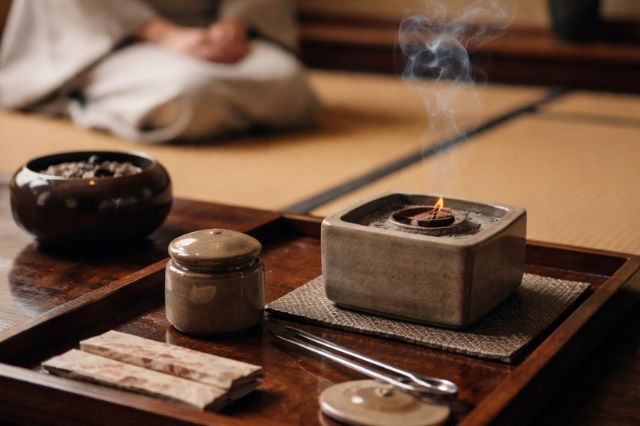
One of the oldest and most revered practices related to fragrance in Japan is kōdō (香道), which translates to “the way of incense.” This ancient Japanese art involves the appreciation and enjoyment of incense, and it has been practiced for over a thousand years. Kōdō is not just about the scent itself but also about the ritual and meditative experience of burning incense. The aromas of different incense types are carefully chosen to evoke specific feelings or memories.
Kōdō has influenced modern Japanese perfumes, with many scents being designed to mimic the delicate, natural aromas found in traditional incense. These fragrances often evoke tranquility, nature, and purity—qualities that have been associated with the Japanese culture for centuries.

Set along a historic riverside between Osaka Castle Park and Sakuranomiya Park, The Garden Oriental Osaka offers a rare combination of architecture, fragrance, and fine dining. Guests begin with a private guided tour of the former Osaka City Diplomatic Residence, including access to normally restricted spaces such as the Azumaya garden tearoom. In this tranquil setting, perfumer Keiko Chimura leads a personalised fragrance blending session using regional Japanese essential oils, crafting a scent tailored to you. The experience concludes with a private course dinner featuring premium Wagyu beef and refined Japanese cuisine, creating an evening that blends heritage, artistry, and seasonal flavour.
These experiences are offered through Wabunka, a platform that works closely with local Japanese artisans to create private cultural experiences that are often difficult for travellers to access independently.
Fragrance and Nature:
In Japan, the changing seasons are highly significant, and fragrances are designed to reflect the shifts in nature. For example, during spring, the delicate scent of cherry blossoms (sakura) fills the air, while in autumn, the earthy, woody aromas of fallen leaves and incense dominate. Fragrances in Japan often evoke natural landscapes, such as forests, mountains, and oceans, offering a connection to the ever-changing beauty of the environment.
Many modern Japanese perfumes incorporate natural ingredients, such as citrus, green tea, and wood, capturing the essence of Japan’s serene natural beauty.
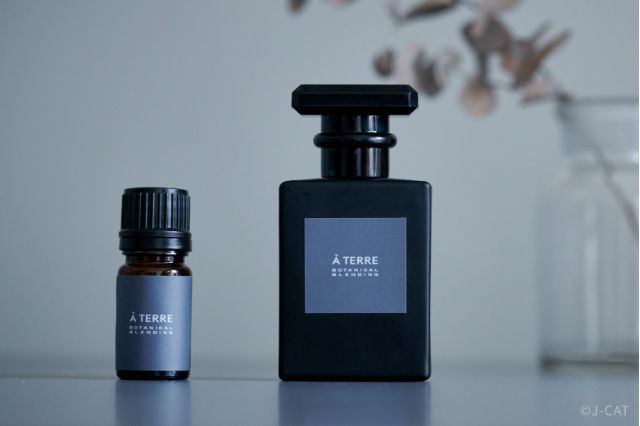
For those interested in exploring Japanese fragrance beyond ready-made perfumes, this intimate aroma blending session in Tokyo offers a thoughtful way to engage with scent on a deeper level. Guided by essential oil formulator Naho Kawano at her atelier À TERRE, you will create a personalised aroma aligned with your current lifestyle and physical condition. Using carefully selected essential oils — including precious Japanese notes such as yuzu and cypress — the session becomes less about fragrance alone and more about self-awareness and quiet reflection. At the end of the experience, you will take home your own original eau de toilette, crafted specifically for you.
Key Notes in Japanese Fragrances
Japanese perfumes stand apart from Western fragrances due to their delicate, understated compositions. Rather than overpowering, they are light and sophisticated, often built around natural, earthy ingredients. Here are some key notes and ingredients commonly found in Japanese perfumes:
1. Sakura (Cherry Blossom)
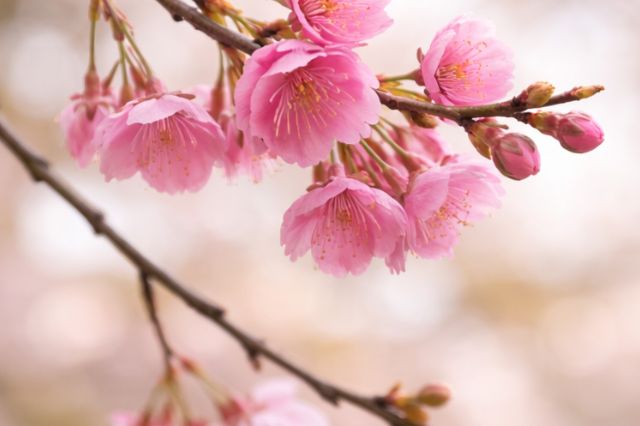
The cherry blossom is one of Japan’s most iconic symbols, representing the fleeting beauty of life and the arrival of spring. Sakura has become synonymous with Japanese culture and is often used in Japanese fragrances to evoke a sense of purity, lightness, and femininity. The scent is fresh, floral, and slightly sweet, making it perfect for spring-inspired perfumes.

Set within the historic Kudan House in Tokyo’s Chiyoda Ward, this private scent blending experience offers a thoughtful introduction to the world of Japanese fragrance. Guided by scenting designer Megumi Fukatsu, guests are invited to explore high-quality botanical ingredients freshly prepared for the day, many derived from plants native to Japan. Through a personalised blending process that considers lifestyle and physical condition, your own natural fragrance is carefully created in a refined and tranquil setting. At the conclusion of the session, you will take home your finished scent along with a Kyoto hinoki wood diffuser — a quiet reminder of Japan’s plant-based fragrance traditions.
According to the experience information provided, when participating as a group, one finished fragrance is created per booking.
2. Green Tea (Matcha)
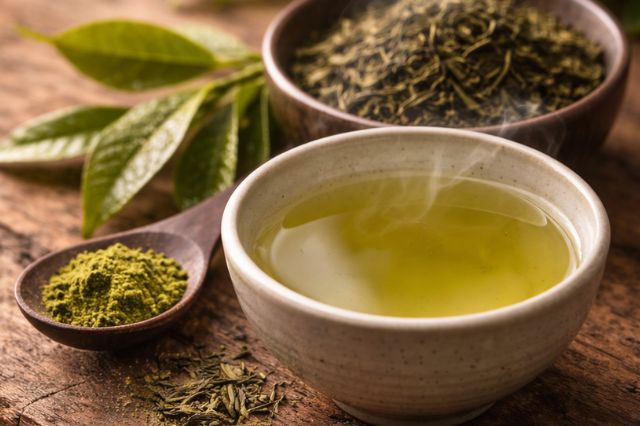
Green tea, especially matcha, is a beloved ingredient in Japanese culture. Known for its calming and rejuvenating properties, matcha-inspired scents are often used in perfumes to invoke a sense of balance and tranquility. The green tea note is light, fresh, and slightly herbaceous, offering a clean, invigorating experience.
3. Yuzu (Japanese Citrus)

Yuzu is a citrus fruit that is widely used in Japanese cooking and beauty products. Its zesty, tart aroma makes it a popular note in Japanese perfumes. Yuzu’s bright, refreshing fragrance adds a burst of energy and a touch of citrusy sweetness, making it perfect for creating uplifting and energizing scents.
4. Hinoki Wood

The scent of hinoki, a type of cypress tree native to Japan, is often used in Japanese incense and perfumes. The aroma of hinoki wood is calming, earthy, and woodsy, evoking a sense of tranquility and connection with nature. It is commonly used in fragrances that aim to create a peaceful, meditative atmosphere.
5. Sandalwood
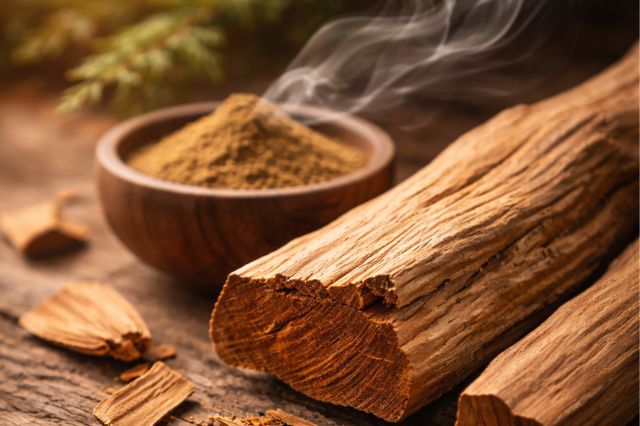
Sandalwood has long been a key ingredient in Japanese incense, and it’s often incorporated into perfumes to impart a smooth, creamy, and woody scent. Sandalwood adds depth and warmth to a fragrance, creating a calming and sensual base note.
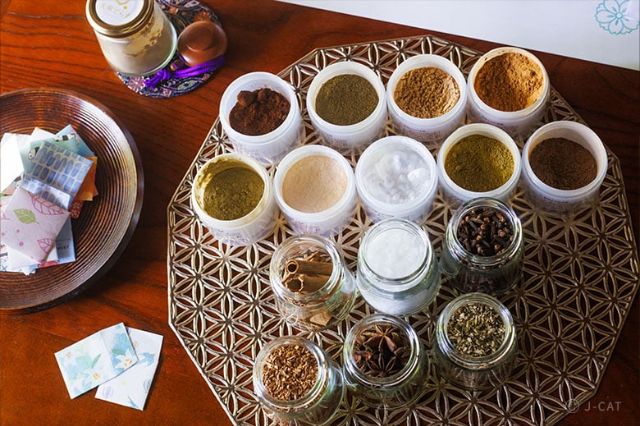
For travellers seeking a deeper connection with Japan’s spiritual traditions, this Wabunka-exclusive experience at Shojoshin-in in Mount Koya offers rare access to one of Shingon Buddhism’s sacred temple complexes. Just steps from Okuno-in, the resting place of Kukai (Kobo Daishi), guests are invited to explore temple treasures and take part in a traditional zuko powdered incense-making session using the temple’s historic fragrance.
The experience continues at Tempu Terrace with a tasting of Koyasan’s renowned sesame tofu, including varieties prepared for ritual offerings, followed by a lunch course highlighting seasonal local ingredients. Surrounded by the quiet mountain air, this is less a sightseeing activity and more a moment of stillness within one of Japan’s most revered spiritual landscapes.
6. Jasmine and Peony
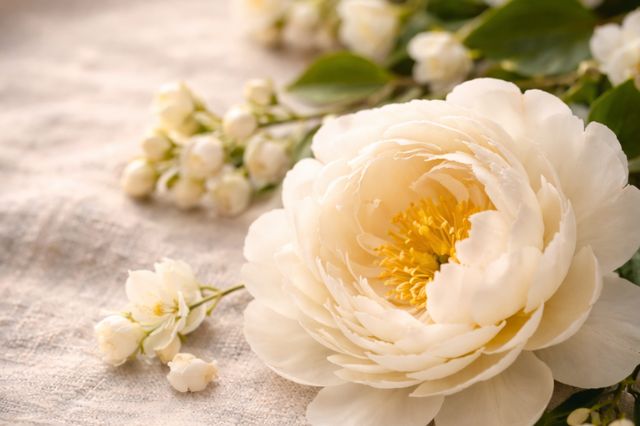
While floral notes are popular in Japanese fragrances, they tend to be softer and more subtle than Western floral scents. Jasmine and peony are two popular floral notes in Japanese perfumes, providing a delicate, elegant sweetness that complements the other natural ingredients in the fragrance.
Popular Japanese Perfume Brands to Know
Japanese perfume brands have become increasingly popular for their unique and sophisticated scents. These brands offer a wide variety of options, from traditional, nature-inspired fragrances to more modern, innovative scents. Here are some of the most popular Japanese fragrance brands you should know:
1. Shiseido
Shiseido, one of the most well-known beauty brands in Japan, has been creating perfumes since the early 20th century. The brand’s perfumes are renowned for their delicate, nuanced compositions and high-quality ingredients. Shiseido’s Zen perfume, for example, is a luxurious fragrance with floral and oriental notes, while Shiseido Ever Bloom features a blend of white floral and green notes, offering a fresh, modern take on Japanese femininity.
2. Issey Miyake
ssey Miyake is a legendary Japanese designer whose fragrances are just as iconic as his fashion. His signature fragrance, L’Eau d’Issey, was released in 1992 and remains one of the most popular Japanese perfumes in the world. It’s a fresh, floral scent with aquatic notes, capturing the essence of water and nature—two themes central to Japanese culture.
3. Comme des Garçons
Known for its avant-garde designs and fragrances, Comme des Garçons offers some of the most unique and artistic perfumes from Japan. The brand’s perfumes often feature unusual, complex combinations of scents that push the boundaries of traditional perfumery. One of their most popular fragrances, Comme des Garçons 2, features notes of ink, sandalwood, and rose, offering a bold, experimental take on fragrance.
4. Kusumi Frères
Founded in Paris in 1829 but deeply influenced by Japanese culture, Kusumi Frères is a perfume house that has explored both Western and Eastern perfumery traditions. The brand’s fragrances often feature a blend of traditional Japanese notes, such as matcha, sakura, and hinoki wood, along with more Western elements like rose and bergamot. Their Sakura perfume, in particular, is a favorite for those seeking a light, floral, and feminine fragrance.
5. Koyudo
Koyudo is a relatively newer brand, but it has quickly become popular for its focus on natural, sustainable ingredients. Known for crafting fragrances that are inspired by the Japanese countryside, Koyudo perfumes often feature earthy notes like bamboo, tea, and wood. Their scents are subtle and refined, perfect for anyone who prefers a less overpowering fragrance.
6. Ralph Lauren Fragrances (Japan Editions)
Though Ralph Lauren is a global brand, its Japan Edition perfumes are tailor-made for the Japanese market and incorporate distinct local influences. The fragrances are often lighter and more delicate than their Western counterparts, with floral and citrus notes that are inspired by the natural beauty of Japan.
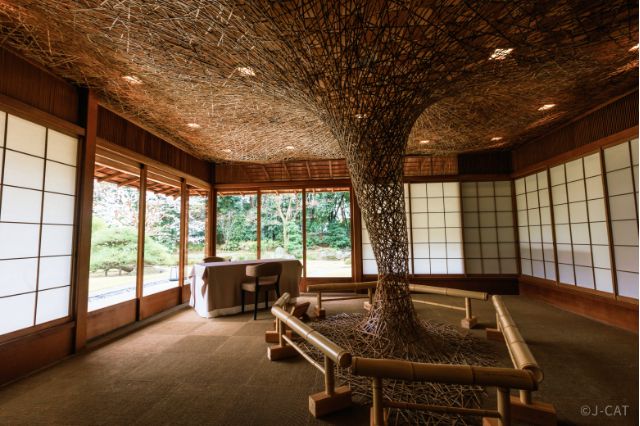
Set within the historic Kudan House in Tokyo’s Chiyoda Ward, this private scent blending experience offers a thoughtful introduction to the world of Japanese fragrance. Guided by scenting designer Megumi Fukatsu, guests are invited to explore high-quality botanical ingredients freshly prepared for the day, many derived from plants native to Japan. Through a personalised blending process that considers lifestyle and physical condition, your own natural fragrance is carefully created in a refined and tranquil setting. At the conclusion of the session, you will take home your finished scent along with a Kyoto hinoki wood diffuser — a quiet reminder of Japan’s plant-based fragrance traditions.
How to Wear Japanese Fragrance
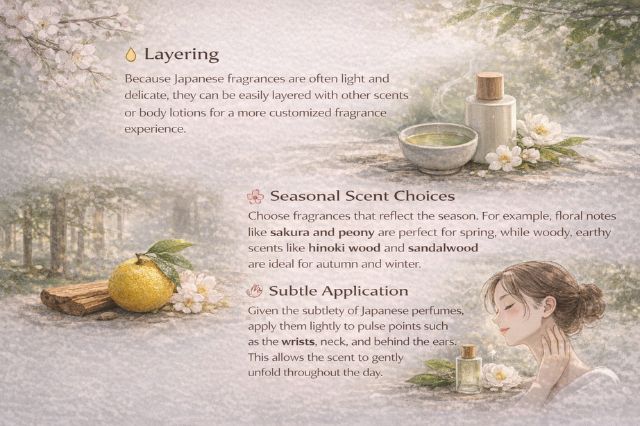
- Layering: Because Japanese fragrances are often light and delicate, they can be easily layered with other scents or body lotions for a more customized fragrance experience.
- Seasonal Scent Choices: Choose fragrances that reflect the season. For example, floral notes like sakura and peony are perfect for spring, while woody, earthy scents like hinoki wood and sandalwood are ideal for autumn and winter.
- Subtle Application: Given the subtlety of Japanese perfumes, apply them lightly to pulse points such as the wrists, neck, and behind the ears. This allows the scent to gently unfold throughout the day.
Explore the Subtle Beauty of Japanese Fragrances
Japanese fragrances are a perfect way to immerse yourself in the country’s rich cultural heritage while enjoying luxurious, nature-inspired scents. From the calming effects of green tea and hinoki wood to the delicate beauty of sakura, Japanese perfumes offer a unique and sophisticated olfactory experience that’s gentle, refined, and always in tune with the changing seasons.
Whether you’re a fan of traditional Japanese incense or modern perfumes, the world of Japanese fragrances has something for everyone. Explore these unique scents, and discover how they can evoke memories, create moods, and transport you to the serene beauty of Japan.
This page contains affiliate links. If you make a booking through them, we may earn a small commission at no additional cost to you. Your support helps us continue sharing thoughtful Japan content.

ALLJAPAN │ ALL THINGS JAPANESE
EXPERIENCE JAPAN